
Blow molding is commonly used to produce hollow plastic products such as bottles, containers, tanks, ducts, and housings. Designing parts specifically for the blow molding process helps improve part quality, reduce production costs, and achieve more consistent wall thickness.
1. Design for Uniform Wall Thickness
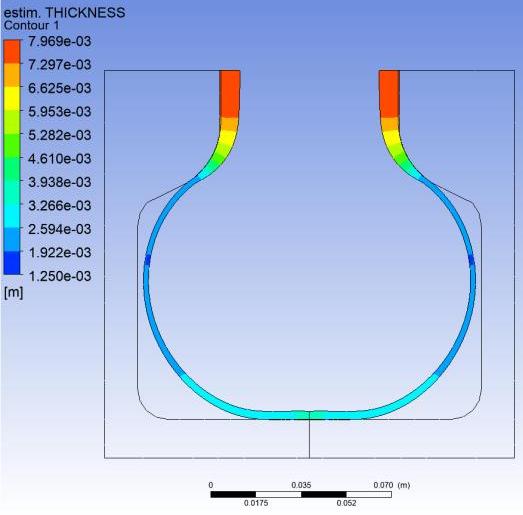
Uniform wall thickness is one of the most important considerations in blow molded part design. Large thickness variations can lead to weak areas, excessive material use, or inconsistent part performance.
Recommended:
Benefits:
- Maintain consistent wall thickness whenever possible.
- Use gradual transitions between sections.
- Design with material distribution in mind.
- Improved strength and durability.
- Better dimensional consistency.
- Reduced material waste.
2. Use Generous Corner Radii
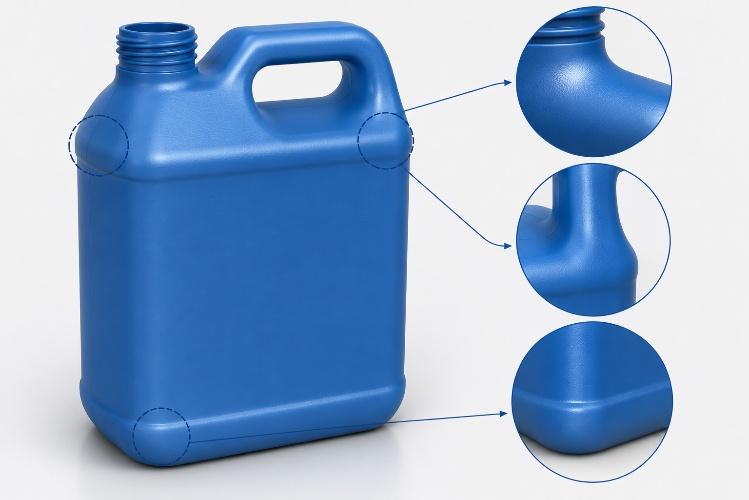
Sharp corners can create thin wall sections and stress concentrations during the blowing process.
Recommended:
Benefits:
- Use large inside and outside radii.
- Avoid sharp transitions between surfaces.
- Blend corners smoothly.
- Better material distribution.
- Improved impact resistance.
- Reduced risk of cracking.
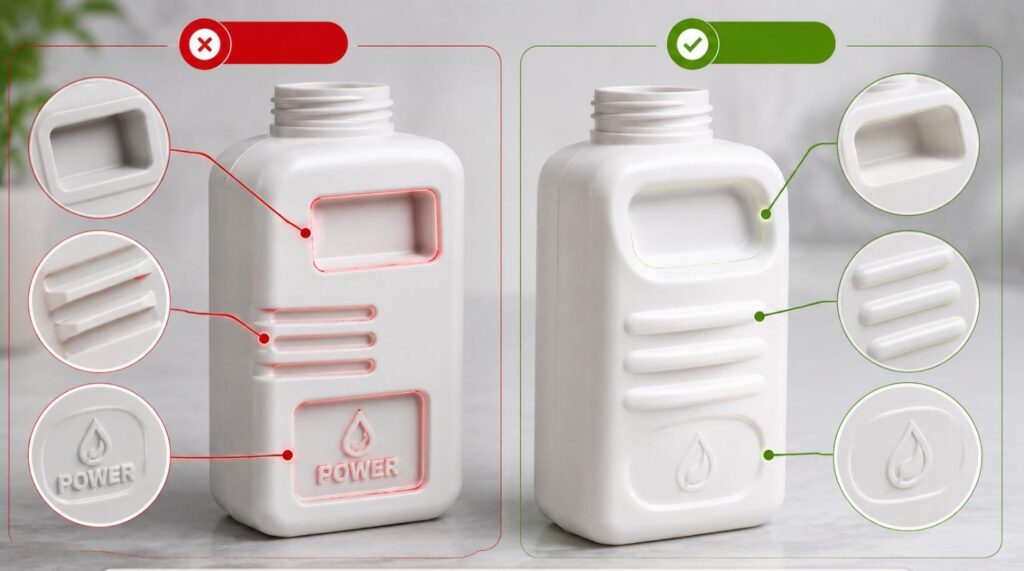
3. Avoid Deep Recesses and Sharp Features
Deep pockets, sharp grooves, and highly detailed features can be difficult to reproduce consistently in blow molding.
Recommended:
Benefits:
- Keep features shallow and well-rounded.
- Use simple geometry when possible.
- Minimize highly detailed surface features.
- Better moldability.
- More consistent wall thickness.
- Improved production efficiency.
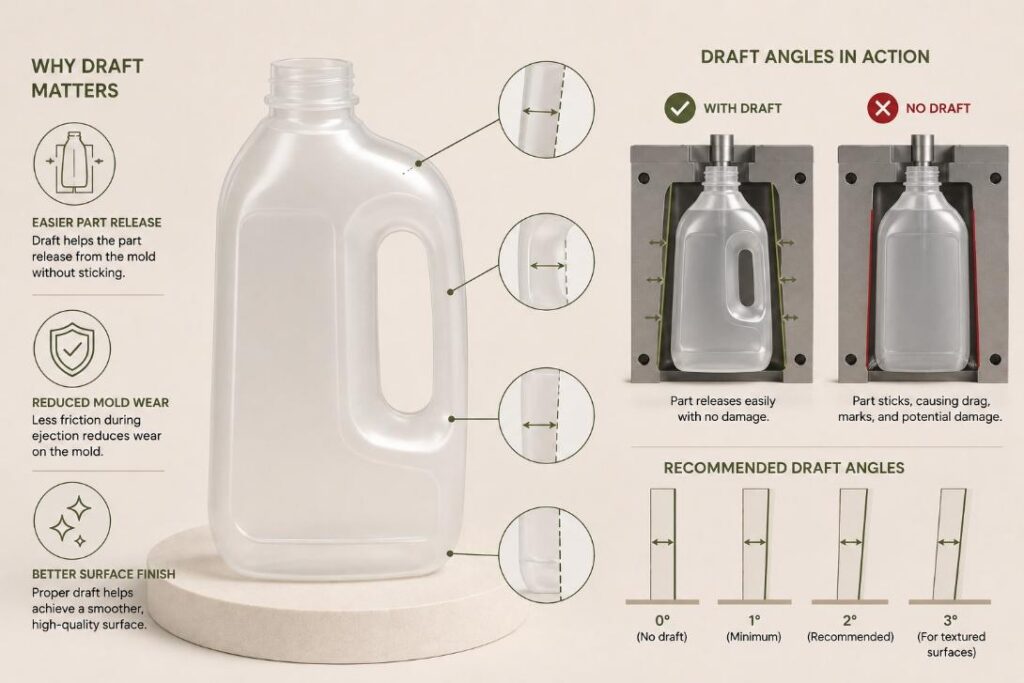
4. Add Draft to Molded Features
Although blow molded parts generally release more easily than injection molded parts, draft still improves manufacturability.
Recommended:
Benefits:
- Include draft on ribs, handles, and molded details.
- Increase draft for textured surfaces.
- Avoid perfectly vertical features.
- Easier part release.
- Reduced mold wear.
- Better surface finish.
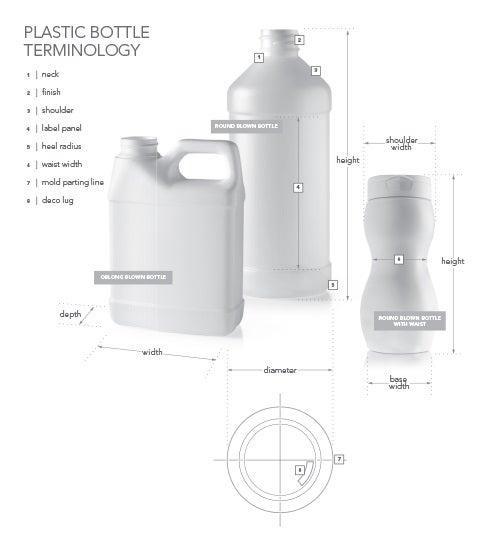
5. Design Stable Bases
Many blow molded products must stand upright and remain stable during filling, transportation, storage, and use.
Recommended:
Benefits:
- Provide a wide, stable footprint.
- Use reinforcing geometry where needed.
- Consider product weight and center of gravity.
- Improved product stability.
- Reduced tipping risk.
- Better consumer experience.
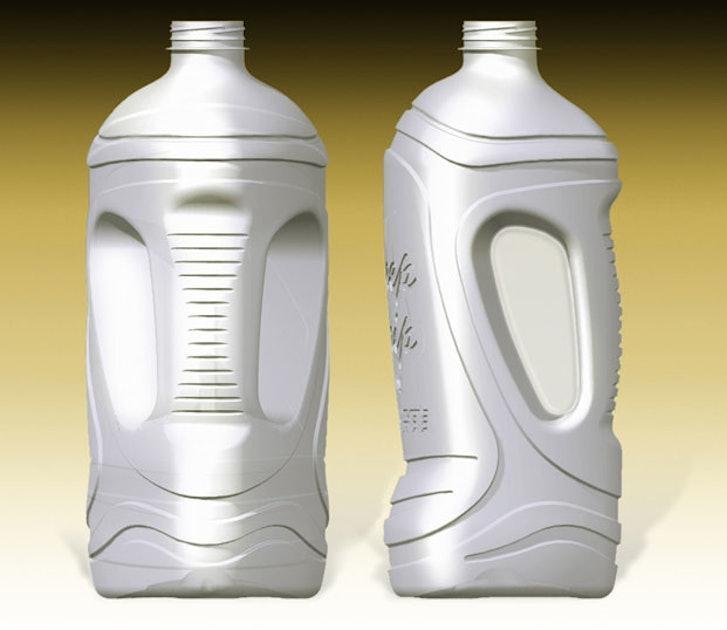
6. Reinforce Large Flat Surfaces
Large flat panels can flex, bow, or deform during cooling and use.
Recommended:
Benefits:
- Add contours, ribs, or panel features.
- Use curved surfaces when possible.
- Break up large flat areas.
- Increased stiffness.
- Improved appearance.
- Better structural performance.
7. Consider Handle and Neck Design Early
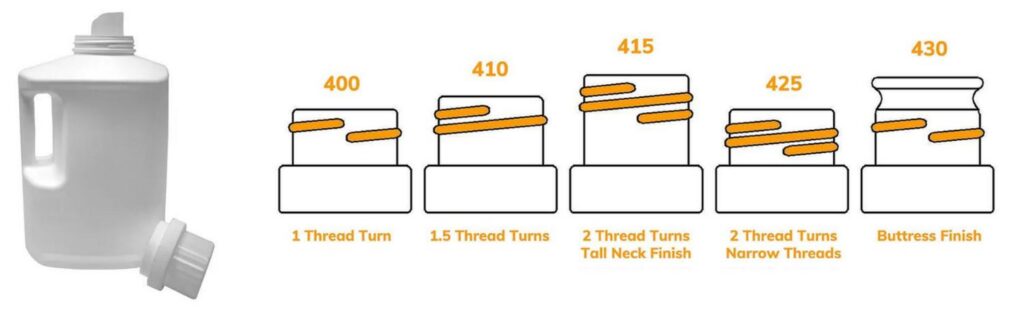
Handles, neck finishes, threads, and dispensing features are common in blow molded
products and should be designed with tooling and manufacturing requirements in mind.
Recommended:
Applications:
- Ensure adequate material around handles.
- Design neck finishes to match closures.
- Account for filling and dispensing requirements.
- Bottles and containers.
- Industrial tanks.
- Household products.
- Automotive reservoirs.